
RBA Slashes Interest Rates Again – What It Means for You

In a move that marks the second interest rate cut of the year, the Reserve Bank of Australia (RBA) has reduced the official cash rate by 0.25 percentage points, bringing it down to 3.85%. The decision, handed down after the RBA’s May board meeting, reflects ongoing concerns about slowing economic growth and a desire to bring inflation sustainably within target.

This cut comes after signs that inflation is cooling, giving the RBA more room to maneuver as it attempts to support the economy without reigniting price pressures.

Why Did the RBA Cut the Rate?

According to RBA Governor Michele Bullock, the decision was influenced by a drop in the trimmed mean inflation, which has now slipped below 3%—a key milestone for the central bank. With inflation easing faster than many expected, the RBA sees this as an opportunity to give the economy some breathing room, particularly for households and businesses grappling with higher costs.

Despite positive trends, Bullock noted that risks remain, including global geopolitical tensions, fragile consumer confidence, and weak business investment. The rate cut is therefore part of a cautious but strategic shift toward more supportive monetary policy.

What Does It Mean for Mortgage Holders?

For homeowners with variable-rate mortgages, this rate cut could provide timely relief. Australia’s four major banks—CBA, NAB, Westpac, and ANZ—have already announced they will pass on the full 0.25 percentage point reduction to customers, starting later this month.

If you’re repaying a $600,000 loan over 25 years, the cut could reduce your monthly repayments by roughly $90–$100, depending on your lender. It’s a welcome change after the rapid rate rises of the past two years, which added hundreds of dollars to the average mortgage bill.

Is Now the Time to Refinance?

With rates coming down, it’s a smart time to review your mortgage. Many Australians stuck on older or less competitive rates could save thousands by refinancing to a better deal. Even a 0.25% difference in your interest rate can lead to significant savings over the life of a loan.

Financial experts also advise looking at offset accounts, redraw features, and flexibility around extra repayments when choosing a loan product—especially in a changing rate environment.

How Are Savers and Investors Affected?

Unfortunately, rate cuts tend to hurt savers. Term deposits and high-interest savings accounts may see reduced returns, which could prompt some savers to explore alternative options like dividend stocks or bonds.

For investors, lower interest rates often act as a tailwind. Property markets may see renewed buyer interest, and equities typically benefit from reduced borrowing costs and improved sentiment. However, markets remain cautious, with global volatility and domestic uncertainty still weighing on investment decisions.

What’s Next?

The big question now is: Will there be more rate cuts?

Economists from institutions like AMP and Westpac suggest this may not be the end of the RBA’s easing cycle. If inflation continues to ease and economic growth remains sluggish, further cuts could follow later in 2025. However, the RBA has made it clear it will proceed cautiously to avoid undoing progress made on inflation.

Final Thoughts

The May rate cut offers immediate relief for many Australians and is a clear signal that the RBA is shifting gears to support a fragile recovery. For mortgage holders, it’s a great time to reassess financial plans. For savers and investors, it may be time to think more strategically about where to place funds.

In an uncertain world, one thing is clear: being proactive about your financial decisions is more important than ever.
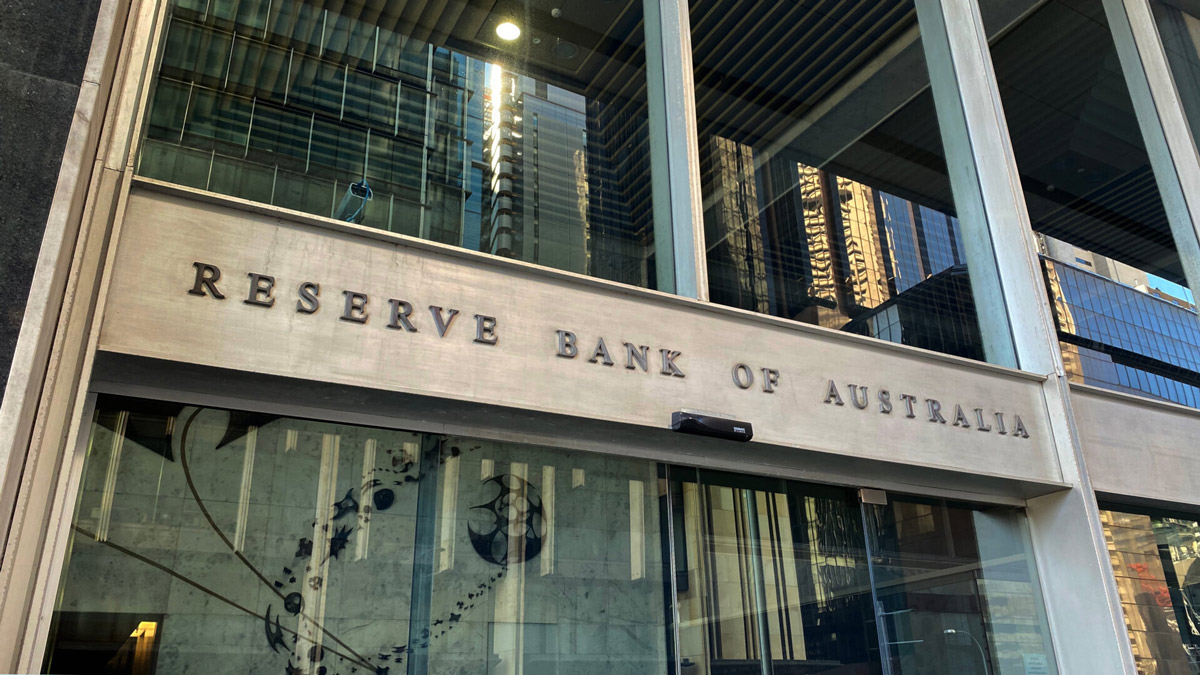
 

RBA Rate Cuts Remain Likely, but Pacing May Slow as Inflation Persists

As anticipation builds ahead of the Reserve Bank of Australia’s (RBA) next interest rate decision on May 20, leading economists are signaling that while a rate cut is still on the table, the pace of monetary easing may be more measured than previously expected.

Economists Taper Expectations for 2025 Cuts

AMP’s chief economist Shane Oliver, a prominent voice in Australian economic circles, has reaffirmed the likelihood of a 25-basis point cut this May. He also expects potential follow-up reductions in August and November, bringing the total to three cuts for 2025—down from earlier forecasts of up to five.

“Markets often overreact,” Oliver noted. “A few weeks ago, there was talk of an emergency meeting and a 50-basis point cut. In hindsight, that was over the top.”

This reassessment reflects not only a moderation in market sentiment but also evolving global and domestic conditions. Notably, fears sparked by former U.S. President Donald Trump’s sweeping tariff proposals—once thought to be a major trigger for aggressive easing—have since eased, especially after partial delays and exclusions for China.

Inflation Still a Key Concern

The caution is being driven in part by Australia’s latest inflation figures. The trimmed mean inflation rate rose 0.7% in the last quarter, slightly above expectations. While not alarmingly high, the figure was just enough to temper aggressive rate-cut expectations.

“The numbers weren’t bad, but weren’t as good as some were hoping,” Oliver explained. “It was only 0.1% higher than expected, but even a small miss can shift sentiment at the margins.”

Commonwealth Bank economist Gareth Aird echoed the caution, noting that while the inflation result aligns broadly with RBA projections, it adds “some risk” to the timing of rate cuts.

What a May Cut Could Mean for Borrowers

If the RBA moves forward with the expected 25-basis point cut, borrowers could see immediate relief. According to Canstar, monthly repayments on a $600,000 mortgage over 25 years could drop by approximately $91.

With all four major banks forecasting a rate cut in May—though divided on whether it will be 25 or 50 basis points—borrowers and investors are preparing for a potential shift in the lending landscape.

A Measured Path Forward

The consensus among economists is that the RBA is unlikely to act aggressively unless new economic shocks emerge. The current outlook suggests a more balanced approach: supporting growth without letting inflation expectations become unanchored.

As Australia navigates the delicate balance between global volatility and domestic resilience, the RBA’s upcoming decision will provide critical insights into its longer-term policy stance.


Two Australian Banks Slash Home Loan Rates Ahead of Anticipated RBA Decision

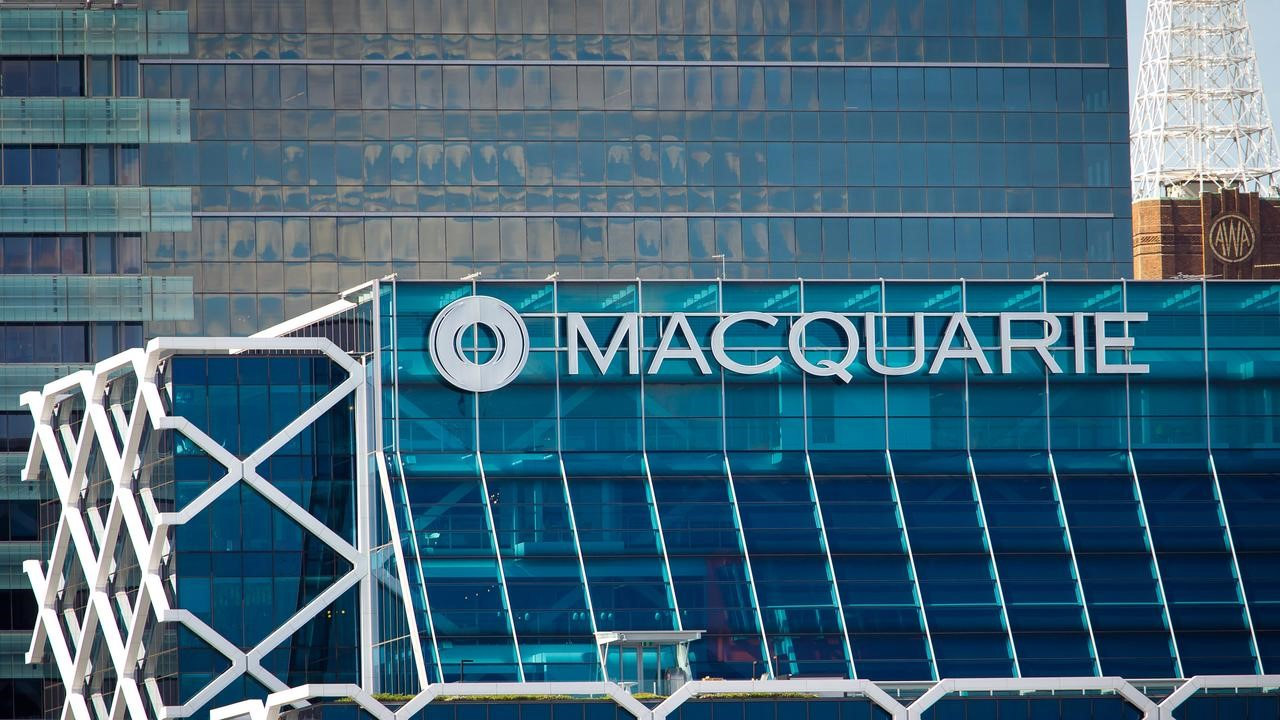
In a move that signals growing competition and optimism in the mortgage market, two Australian banks—Macquarie Bank and Police Bank—have slashed their home loan interest rates ahead of the Reserve Bank of Australia’s (RBA) highly anticipated May cash rate decision.

Macquarie Bank Cuts Variable Rates for Investors

Macquarie Bank, Australia’s fifth-largest lender, has reduced its variable interest rates for property investors, offering its lowest rate at 5.99% p.a. (6.01% comparison rate) for loans with a loan-to-value ratio (LVR) of up to 60%. This adjustment complements its earlier cuts to fixed rates, demonstrating a broader strategy to stay competitive amid shifting market dynamics.

These rate reductions are a notable sign that Macquarie is positioning itself to attract more investment borrowers at a time when lending growth has shown signs of softening.

Police Bank Drops Fixed Rates Below 5%

Meanwhile, mutual lender Police Bank has introduced dramatic cuts to its fixed home loan rates—bringing some below 5% for the first time in over two years. The most eye-catching offer is a three-year fixed rate of 4.99% p.a. for both owner-occupiers and investors making principal and interest repayments. This rate applies to borrowers with LVRs of up to 95%.

Police Bank also cut its two-year fixed rate to 5.15% p.a., making it one of the most competitive offerings currently available in the fixed-rate segment.

Market Braces for Potential Rate Cuts by RBA

These rate moves come as the market eagerly awaits the RBA’s next monetary policy meeting on May 20, where expectations are building for a potential rate cut. While some analysts forecast a 50 basis point reduction, others believe the central bank may adopt a more cautious 25 basis point cut instead.

With the RBA under pressure to respond to global economic uncertainty and the domestic slowdown in consumer demand, lenders are already adjusting their pricing in anticipation of more accommodative monetary policy.

What This Means for Borrowers

For borrowers, these recent rate cuts are welcome news, potentially reducing monthly repayments and increasing loan affordability—particularly for first-time buyers and refinancers.

However, experts urge caution. While falling rates can create opportunities, borrowers should always consider the full terms and conditions, including fees, comparison rates, and product features.


As the RBA’s May meeting approaches, the mortgage landscape appears to be heating up. Whether you’re in the market to buy, refinance, or invest, now may be a good time to reassess your options and speak with a mortgage advisor.

Australia Poised for Interest Rate Cuts Amid Global Economic Turbulence

As global economic conditions remain uncertain, all eyes are on the Reserve Bank of Australia (RBA) with growing expectations of an imminent interest rate cut. Speculation has intensified following fresh economic signals from major global powers and domestic commentary pointing to potential easing measures as early as May.

Global Forces Stir Local Decisions

The latest buzz has been fueled by former U.S. President Donald Trump’s announcement of new tariff policies, which are expected to have ripple effects across the global economy. Australia’s Treasurer, Jim Chalmers, acknowledged the situation, citing concerns about the modest yet tangible impact these tariffs could have on Australia’s economic outlook.

According to Treasury estimates, the new U.S. tariffs could result in a 0.2% dip in GDP growth by the end of next year, while inflation could see an uptick of 0.2 percentage points this year. While these numbers may appear small in isolation, their broader implications for monetary policy are significant.

Market Anticipates a Series of Cuts

Bond markets are currently pricing in as many as four interest rate cuts by the RBA within 2025, with speculation mounting around a possible 50 basis point reduction as early as May. If realized, such a move would mark one of the most aggressive responses by the central bank in recent years.

However, not everyone is convinced of such a bold step. Investment expert Jun Bei Liu weighed in, suggesting that a more measured 25 basis point cut is far more likely, aligning with the RBA’s typical cautious approach.

Australia’s Economic Readiness

Despite the looming challenges, Treasurer Chalmers reassured the public of Australia’s robust position in the global landscape. “We are not immune to global shocks, but we are well-placed to weather them,” he said, underscoring the resilience of the domestic economy.

Australia’s relatively stable labor market, strong export sectors, and ongoing infrastructure investments provide a buffer against international volatility. Yet, policymakers remain vigilant, recognizing that proactive monetary adjustments may be necessary to sustain growth and control inflation.

What This Means for Households and Investors

For Australian households, a rate cut would bring some relief in the form of lower mortgage repayments and potentially increased consumer spending. For investors, however, the scenario paints a mixed picture: while rate cuts can boost equity markets and economic activity, they also signal underlying concerns about future growth.

As the RBA prepares for its next monetary policy meeting, the nation—and indeed the world—will be watching closely. Whether it opts for an aggressive rate cut or a more tempered approach, the decision will have far-reaching implications for Australia’s economic trajectory in 2025 and beyond.