
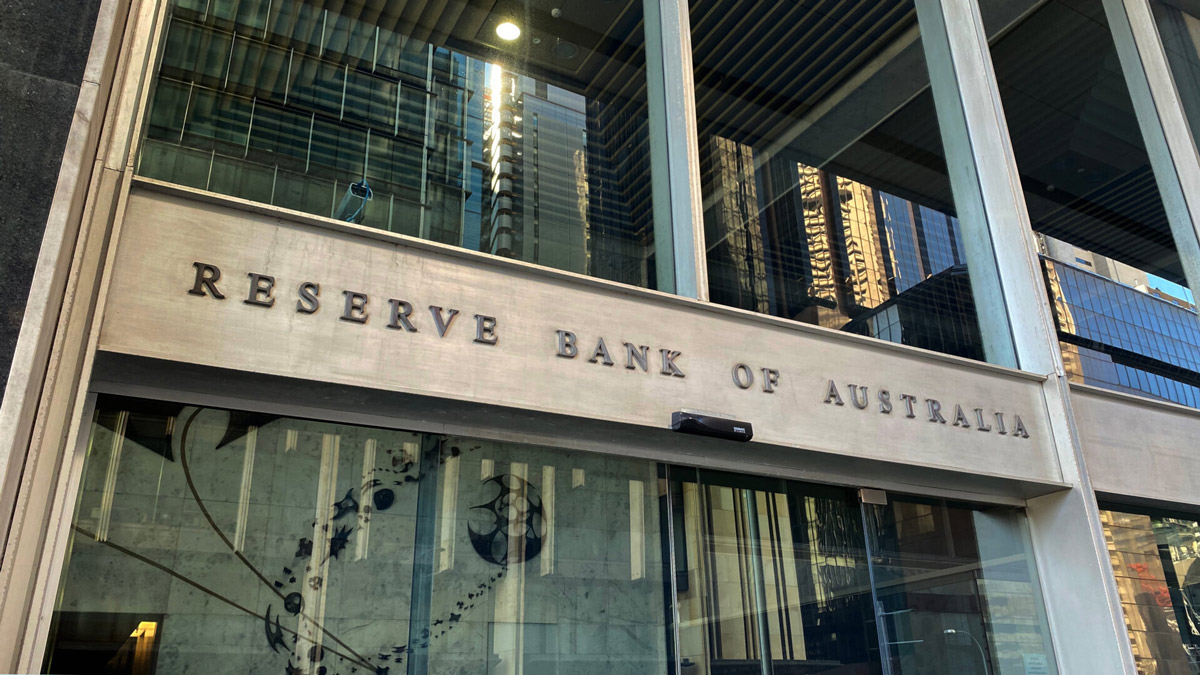
As anticipation builds ahead of the Reserve Bank of Australia’s (RBA) next interest rate decision on May 20, leading economists are signaling that while a rate cut is still on the table, the pace of monetary easing may be more measured than previously expected.
Economists Taper Expectations for 2025 Cuts
AMP’s chief economist Shane Oliver, a prominent voice in Australian economic circles, has reaffirmed the likelihood of a 25-basis point cut this May. He also expects potential follow-up reductions in August and November, bringing the total to three cuts for 2025—down from earlier forecasts of up to five.
“Markets often overreact,” Oliver noted. “A few weeks ago, there was talk of an emergency meeting and a 50-basis point cut. In hindsight, that was over the top.”
This reassessment reflects not only a moderation in market sentiment but also evolving global and domestic conditions. Notably, fears sparked by former U.S. President Donald Trump’s sweeping tariff proposals—once thought to be a major trigger for aggressive easing—have since eased, especially after partial delays and exclusions for China.
Inflation Still a Key Concern
The caution is being driven in part by Australia’s latest inflation figures. The trimmed mean inflation rate rose 0.7% in the last quarter, slightly above expectations. While not alarmingly high, the figure was just enough to temper aggressive rate-cut expectations.
“The numbers weren’t bad, but weren’t as good as some were hoping,” Oliver explained. “It was only 0.1% higher than expected, but even a small miss can shift sentiment at the margins.”
Commonwealth Bank economist Gareth Aird echoed the caution, noting that while the inflation result aligns broadly with RBA projections, it adds “some risk” to the timing of rate cuts.
What a May Cut Could Mean for Borrowers
If the RBA moves forward with the expected 25-basis point cut, borrowers could see immediate relief. According to Canstar, monthly repayments on a $600,000 mortgage over 25 years could drop by approximately $91.
With all four major banks forecasting a rate cut in May—though divided on whether it will be 25 or 50 basis points—borrowers and investors are preparing for a potential shift in the lending landscape.
A Measured Path Forward
The consensus among economists is that the RBA is unlikely to act aggressively unless new economic shocks emerge. The current outlook suggests a more balanced approach: supporting growth without letting inflation expectations become unanchored.
As Australia navigates the delicate balance between global volatility and domestic resilience, the RBA’s upcoming decision will provide critical insights into its longer-term policy stance.